 +91-8069099774


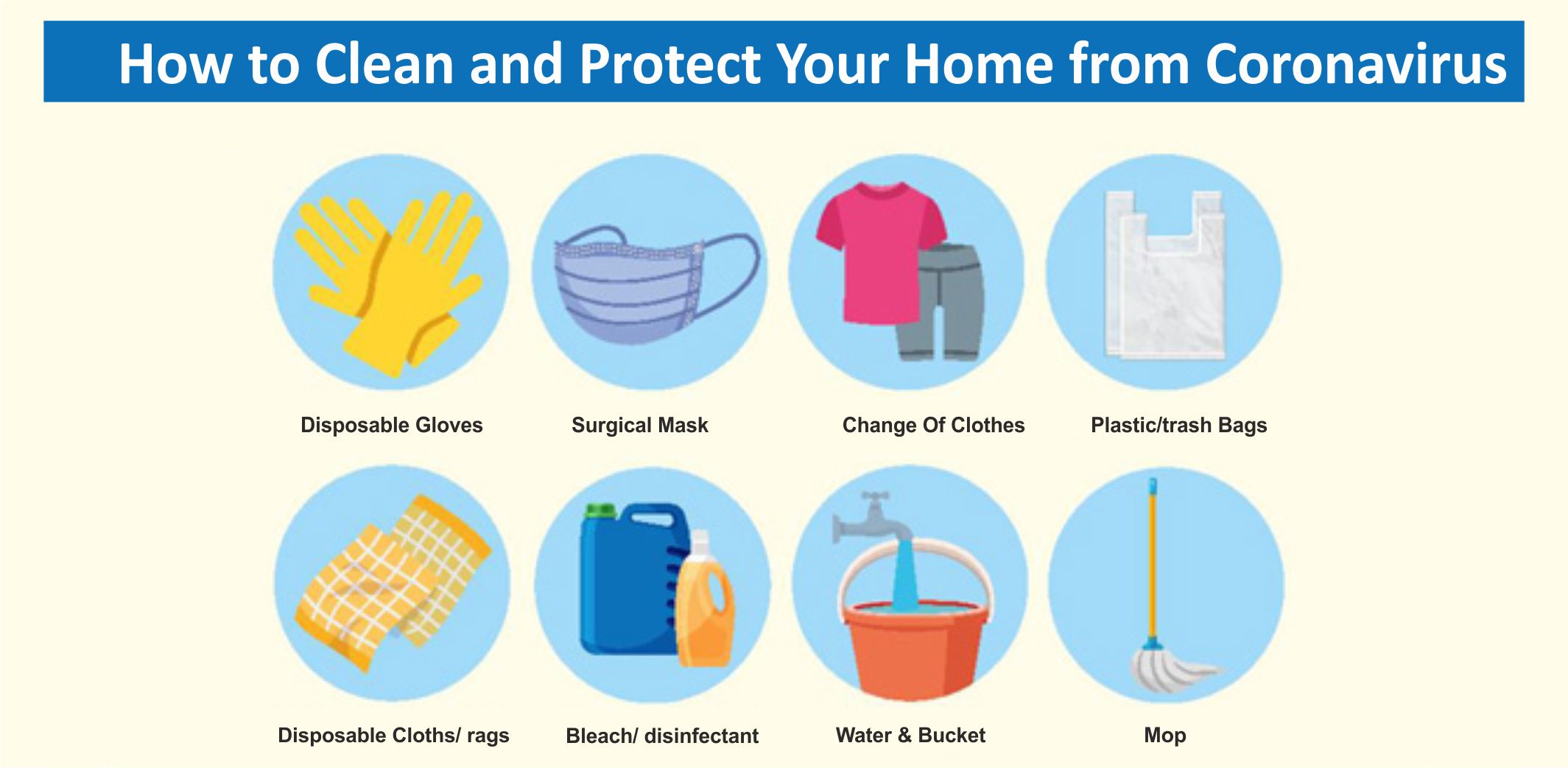
After the devastating effect on the lives of the people of China, including loss of numerous lives, the problem of the Covid-19 is now declared as a pandemic. Numerous states and countries are declared on high alert and rapids steps are being taken to curb the growth of this international emergency. As this virus is spreading convulsively across the nations, it is essential to take action at individual level. The virus is mainly transmitted person to person through tiny droplets of saliva or other body fluids that float in the air after a cough or sneeze. Hence, it is mandatory to ensure prevention by maintaining a strict regime for hygiene.
Apart from practicing hygiene at personal level, it is also very important to be aware of the surroundings. The contaminated objects and subject can easily become a source of transmission of the disease. Though is not clear as yet about the impact of touching surfaces on body, but they are definitely boosting the effect and supporting the spreading. A person who touched a contaminated surface and then touched eyes, nose or mouth then the virus can easily pass on.
Since this disease is spreading very rapidly, it’s time to become cautious about yourself and your loved ones. The impact of the disease is majorly hitting the elderly and children, hence strong determination and stiff steps can help fight this monster. If you suspect that someone in your home or someone who visited your home recently might have infection, then a thorough cleaning of home is pivotal. The cleaning can significantly reduce the contamination on surfaces which will further limit the risk of transmission of corona-virus or other pathogens.
The Difference between Cleaning and Disinfection
- Often people mistake cleaning with disinfection, as both the process are engaged in removal of germs.
- Cleaning is the process of physically removing and scrubbing off organic matter like germs and dirt from surfaces.
- Disinfection is defined as killing of germs on surfaces with the assistance of chemicals.
- But cleaning is more essential because the organic matter can inhibit or reduce the impact of disinfectant and hinder its ability to kill any kind of germs.
The Survival Period of the Virus at a House:
At present there is no certainty on the survival time period for the corona virus on surfaces. It can last a few hours to up to several days. It depends largely on various factors like temperature, humidity, surface type, etc. for their life expectancy.
What Surfaces Can Be Contaminated
There is no specific surface that may or may not be contaminated. The coughing or sneezing near any surface, without covering mouth can cause the contamination of that surface.
As hands touch most of the surfaces, they are hugely responsible for transfer of pathogens from one place to another; hence the items that are touched frequently can be contaminated. These items include TV remotes, fridge doors, kitchen cupboards, kitchen surfaces, taps, door handles, etc. Also, the phones and ipads are at risk of contamination but they are not often shared.
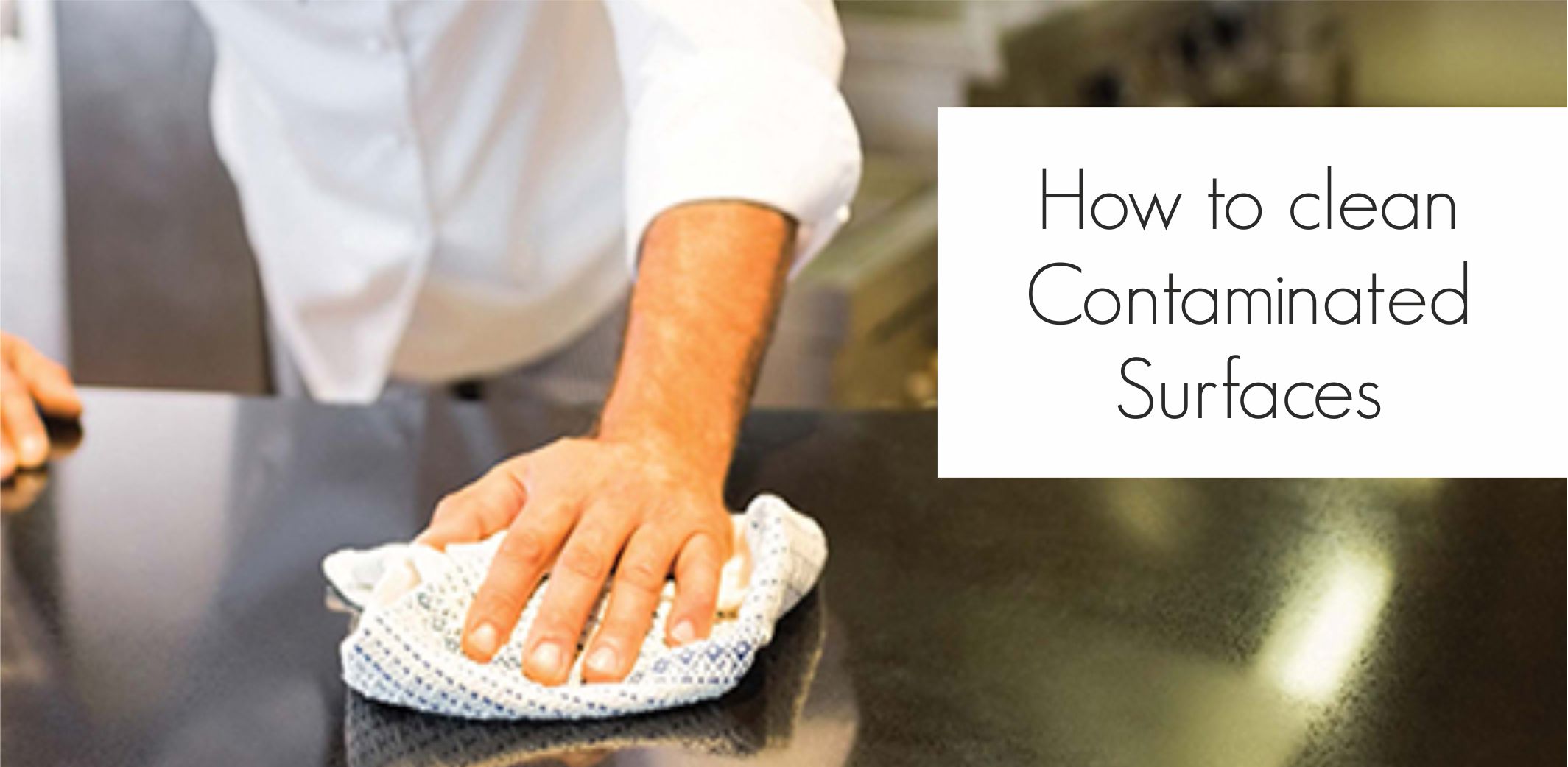
How to clean Contaminated Surfaces
This life threatening virus is very delicate and vulnerable in the environment and its functioning can be stopped by heat, detergent and soap. In case a surface becomes contaminated, then it should be cleaned with household disinfectant. It is powerful enough to kill the virus. Wash your hands after cleaning and avoid touching eyes, nose and mouth.
Target High-Touch Surfaces
High touch surfaces are those places where you and your family leave a million fingerprints every day. (Clean bathroom surfaces last.)
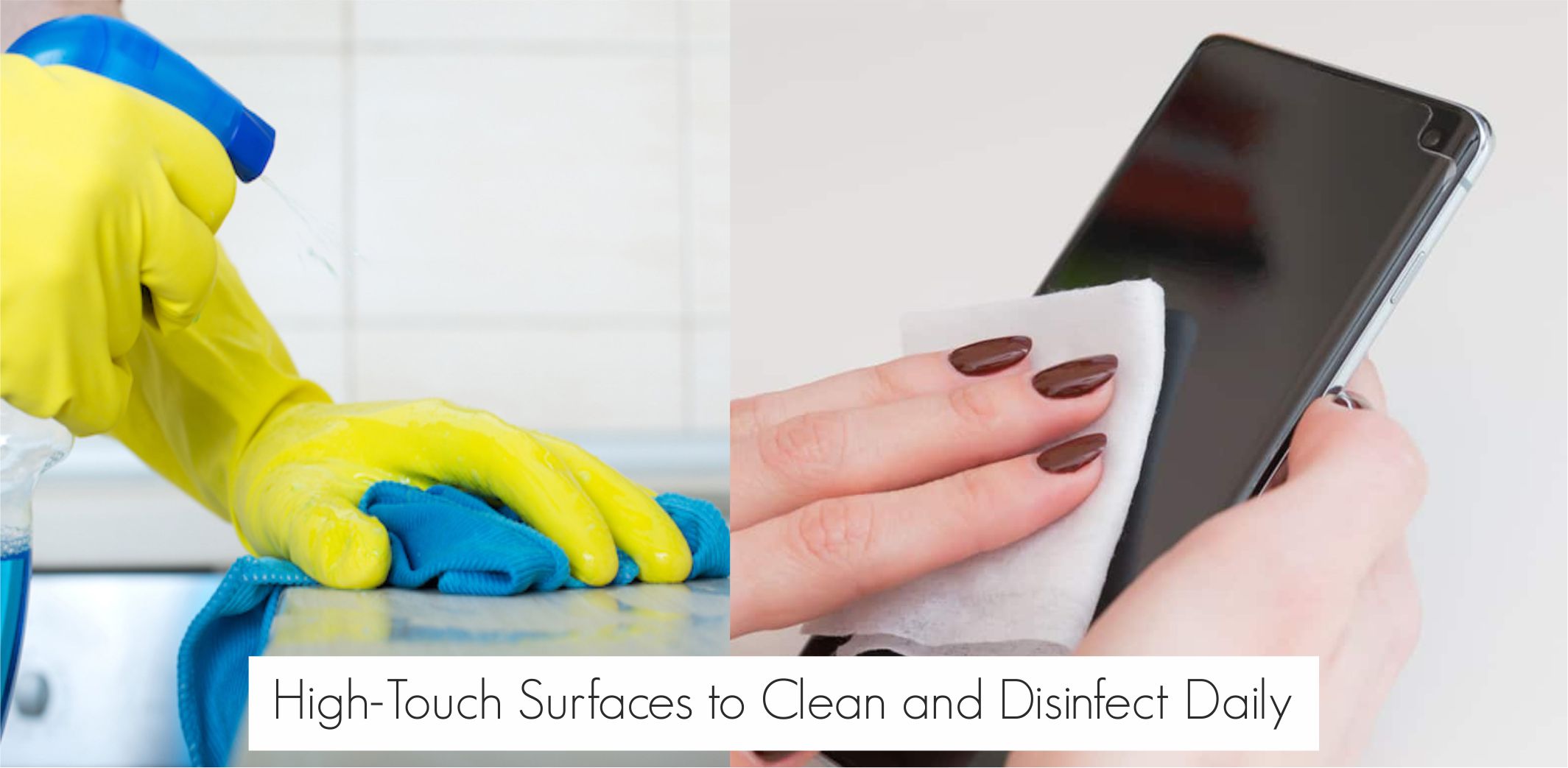
High-Touch Surfaces to Clean and Disinfect Daily
- Door knobs
- Table surfaces
- Light switches
- Hard dining chairs (seat, back and arms)
- Refrigerator and microwave doors
- Kitchen counters and table tops where you cook and eat
- Drawer pulls
- TV remote controls
- Game controllers
- Toilet handles
- Faucet handles
- Bathroom counters
- Toilets (seat and handle)
First Clean, And then Disinfect:
- First, clean the surfaces, getting rid of any contaminants, dust, or debris. You can do this by wiping them with soapy water (or a cleaning spray) and a hand towel.
- Then apply a surface-appropriate disinfectant. The quickest and easiest way to do this is with disinfecting wipes or disinfectant spray.
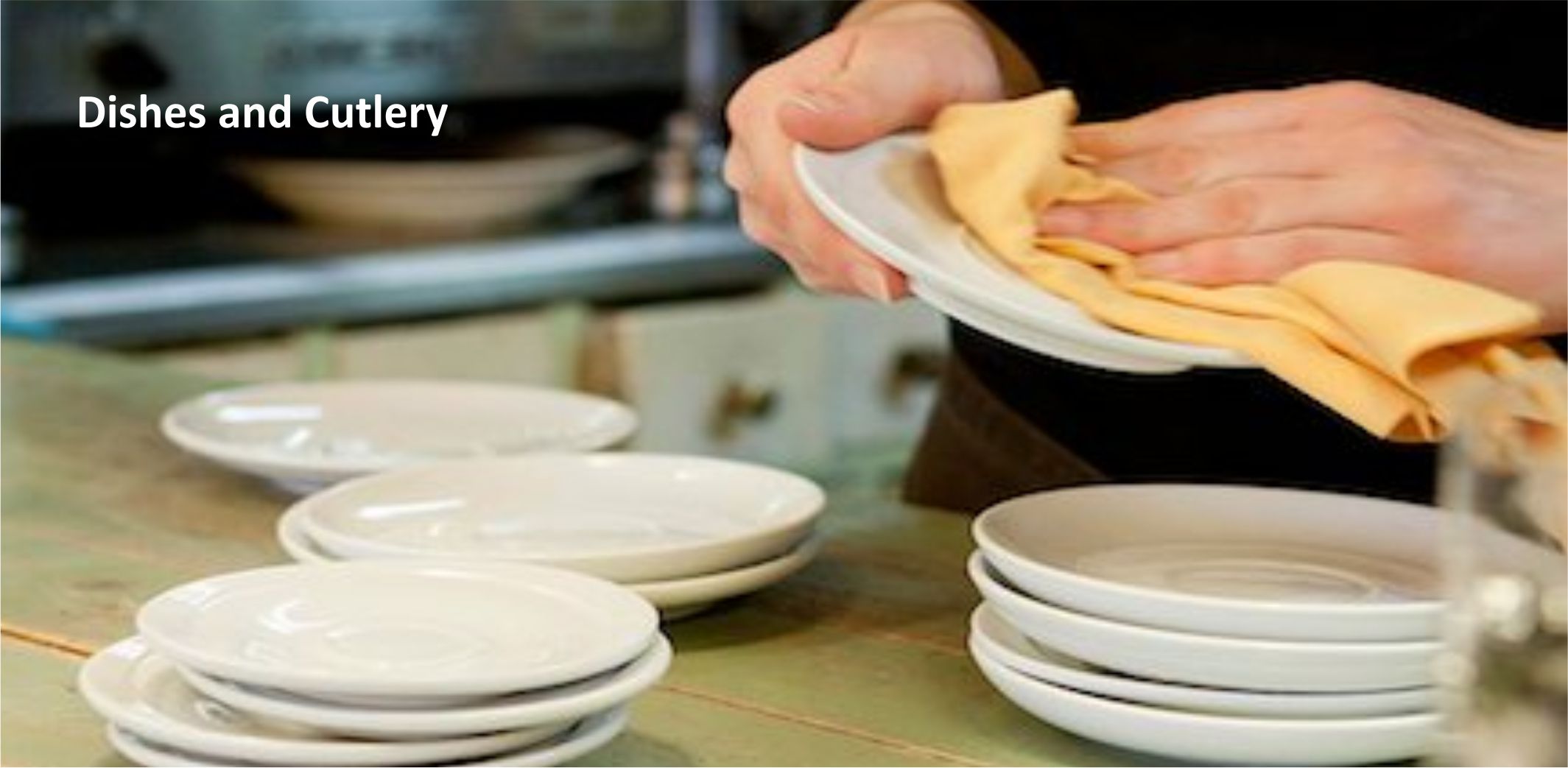
Dishes and Cutlery
- Wash the contaminated dishes with hot water and detergent or a dishwasher for removing virus particles.
- Clothing and linen: For cleaning the suspected clothes, use the hottest setting on washing machine to do the laundry. Make sure to dry it completely.
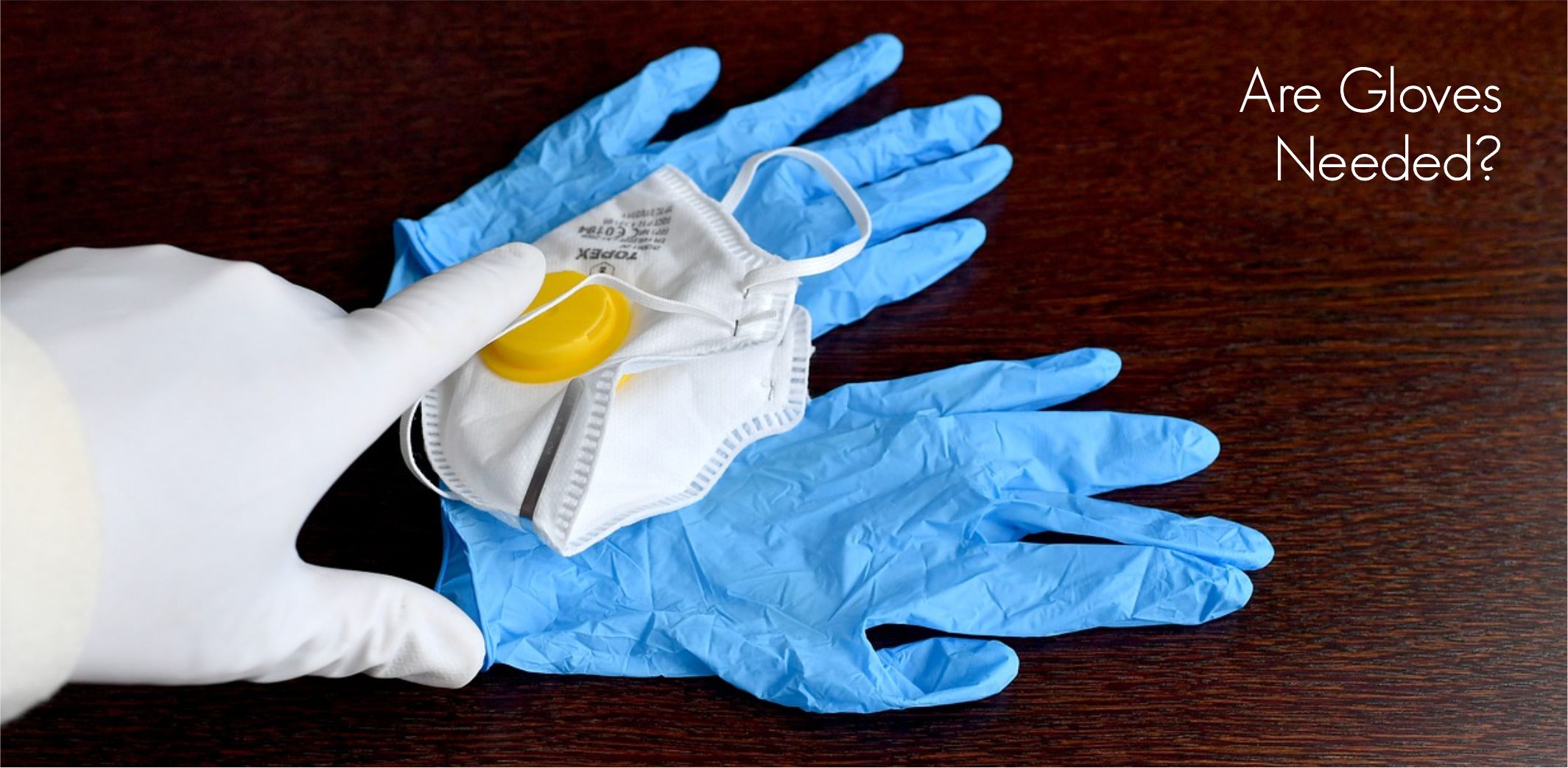
Are Gloves Needed?
Gloves are recommended for home cleaning, but if that’s not practical, just be sure to wash your hands before and after you clean. Wash the gloves afterwards if you’re going to reuse them. (Use separate gloves for the bathroom and the dishes.)
When you’re done cleaning:
- Wash your gloved hands with soap and water.
- Dry them.
- Pull the gloves off and store them.
- Then wash your bare hands.
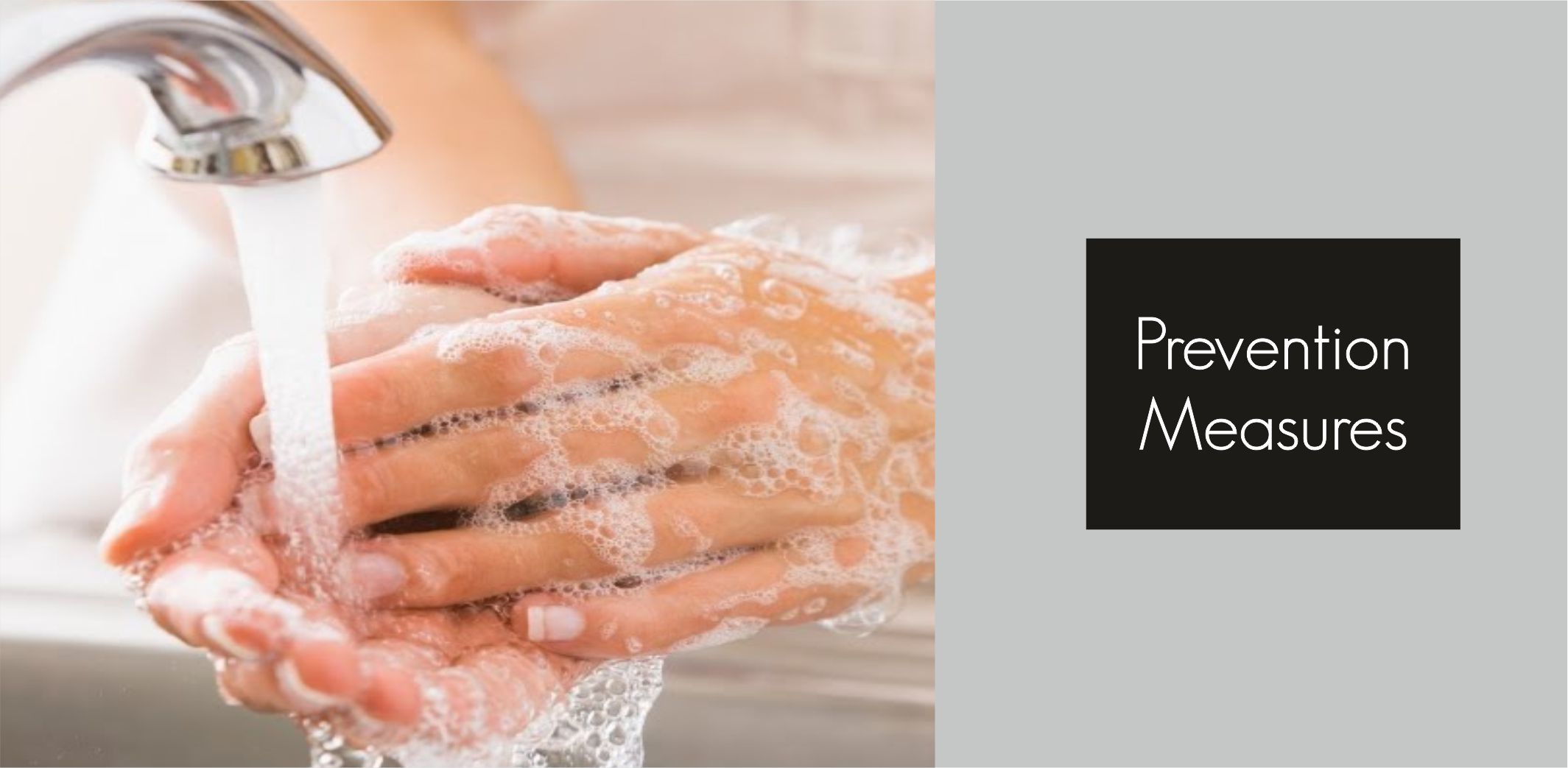
Prevention Measures
Since the virus tends to stay on surfaces for a longer duration of time, there are more chances of transmitting pathogens. There prevention from contamination is a vital step for cleaning. Provided below are some of the preventive measures for avoiding contamination at home:
Remember that surfaces play a role in transmitting pathogens, so preventing them from becoming contaminated in the first place is as important as cleaning. There are some things you can do to reduce the amount of contamination of surfaces in your house:
- Use a tissue for a cough or sneeze, or otherwise do into your elbow and wash hand immediately.
- Wash your hand frequently, after going bathroom and before eating.
Method to Cater the Sick
You need to do the preparation of the possibility of a member of your family being sick. Hence, choose a room which is separate from other parts of home and has a separate bathroom. Use this room to care for the sick people. The Government department of Health has also issued certain guidelines for combating corona virus and the sick people at home.
- The cleaning of the room also has to be done careful to avoid any form of contamination.
- The ill person should eat/be fed in their room if possible.
- Non-disposable food service items used should be handled with gloves and washed with hot water or in a dishwasher.
- Clean hands after handling used food service items.
- If possible, dedicate a lined dustbin for the ill person.
- Use gloves when removing garbage bags, handling, and disposing of trash. Wash hands after handling or disposing of trash.














Recent Comments